
5 Things You Can Do Today to Reduce Water Usage in the Bathroom
Reducing water usage at home does not need to involve major lifestyle changes. In many cases, some of the most effective ways to save water come from small everyday habits, particularly within the bathroom where a significant proportion of household water consumption takes place.
Making more efficient choices can help conserve water, reduce energy usage, and lower household bills over time.
From shorter showers to more efficient bathroom fittings, here are five simple ways to reduce water usage in your bathroom while maintaining comfort and usability.
1. Choose Water-Efficient Toilets
Toilet flushing accounts for a significant proportion of household water usage, making it one of the easiest areas to improve efficiency.
Older toilets can use as much as 13 litres of water per flush, while modern dual flush toilets use significantly less by allowing users to choose between a full or reduced flush depending on need.
Dual flush toilets typically use:
- Around 4 litres for a reduced flush
- Around 6 litres for a full flush
Over time, this can make a noticeable difference to overall household water consumption.
The Vorta WC combines contemporary styling with practical water-saving functionality using 2/4 litres per flush, helping create bathrooms that feel clean-lined and efficient in everyday use.
2. Take Shorter Showers Instead of Baths
While long baths can feel calming and comfortable, showers generally use less water, particularly when kept short.
On average:
- A five-minute shower uses around 35 litres of water
- A bath can use approximately 80 litres or more
Reducing shower time by even a single minute each day can contribute to noticeable water and energy savings over the course of a year.
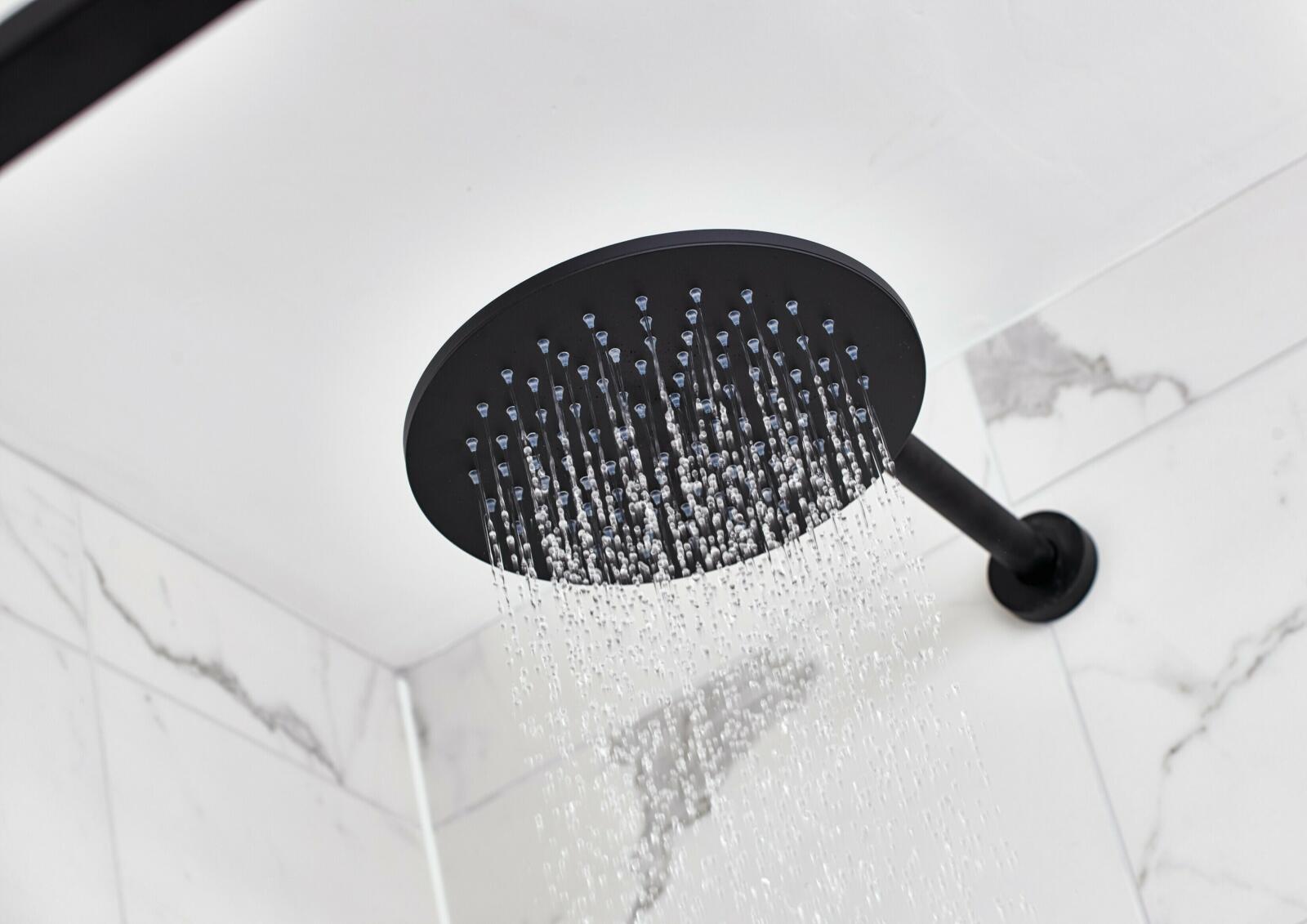
For homeowners looking to reduce water usage while maintaining comfort, efficient showering solutions can help balance performance with more responsible day-to-day water consumption.
Pairing efficient showering habits with low-profile shower trays and streamlined showering brassware like our Vario Range can also support a cleaner and more efficient bathroom layout.
3. Reuse Bath Water Where Practical
Reusing water where possible is another straightforward way to reduce unnecessary waste.
Bath water can often be repurposed for:
- Watering outdoor plants
- Garden use
- Cleaning outdoor spaces
Even smaller adjustments can help reduce water usage. Running a bath slightly shallower than usual, for example, can save several litres of water each time.
While these changes may seem minor individually, they can collectively support a more efficient household routine over time.
4. Check Regularly for Leaks
Leaks are one of the most common causes of unnecessary water waste within the home.
A leaking toilet alone can waste hundreds of litres of water each day if left unresolved. Dripping taps, faulty valves, and hidden plumbing leaks can also increase water usage significantly over time.
One simple way to test for a toilet leak is to:
- Add a few drops of food colouring into the cistern
- Leave it untouched for around an hour
- Check whether the colour appears in the toilet bowl
If the colour transfers without flushing, this may indicate a leak.
Addressing leaks early can help prevent unnecessary water waste as well as potential long-term plumbing issues. In many cases, repairs are relatively straightforward when identified quickly.
5. Turn Off Taps When Not in Use
Leaving taps running unnecessarily can waste more water than many people realise.
A running tap can use several litres of water every minute, even during short daily tasks such as:
- Brushing teeth
- Washing your face
- Shaving
- Rinsing after skincare routines
Turning the tap off while carrying out these tasks is one of the simplest and most effective ways to reduce daily water consumption.
These small habits require very little effort but can make a meaningful long-term difference to both water usage and household bills.
More Efficient Bathrooms Can Still Feel Well Considered
Creating a more water-efficient bathroom does not mean compromising on appearance or comfort.
Contemporary bathroom design increasingly focuses on combining:
- Efficient technology
- Everyday practicality
- Durable materials
- Contemporary styling
- More considered water usage
Water-saving toilets, efficient showers, durable surfaces, and thoughtful layouts all contribute to bathrooms that feel practical and visually balanced while supporting more efficient daily use.
By making a few simple adjustments and choosing well-designed bathroom products, it is possible to create a bathroom that feels both comfortable and more sustainable over time.
About Saving Water in the Bathroom
Frequently Asked Questions
Baths, toilets, and longer showers are typically the biggest contributors to bathroom water usage.
Yes. Dual flush toilets use significantly less water than older traditional toilets by offering reduced flush options.
In most cases, yes. Shorter showers generally use less water than filling a bath.
Taking shorter showers, installing efficient shower heads, and turning water off while washing can all help reduce water consumption.
Adding food colouring to the toilet cistern and checking whether it appears in the bowl without flushing can help identify leaks.
Yes. Turning off the tap during everyday routines can save a surprising amount of water over time.