
How to Clean Brushed Brass Bathroom Fittings
Brushed brass bathroom fittings have become one of the most desirable finishes in contemporary bathroom design. Warm, refined, and understated, brushed brass introduces softness and sophistication while working beautifully across both modern and classic interiors.
From taps and showers to accessories and enclosure details, brushed brass adds depth and warmth without feeling overly decorative or trend-led.
Like any premium finish, however, brushed brass benefits from the correct care and maintenance. Regular gentle cleaning helps preserve the brushed texture while preventing limescale, water marks, and surface damage from affecting the finish over time.
In this guide, we explain how to clean brushed brass bathroom fittings correctly, which products to avoid, and how to maintain the finish long-term.
Why Brushed Brass Requires Gentle Care
Unlike polished chrome or stainless steel, brushed brass features a softer textured surface designed to diffuse reflections and create a warmer, more muted appearance.
This softer finish helps:
- Reduce fingerprints
- Soften reflections
- Add warmth to the bathroom
- Create a more contemporary aesthetic
However, because the surface texture is more delicate, harsh chemicals or abrasive cleaning tools can permanently damage the finish if used incorrectly.
Fortunately, brushed brass is generally straightforward to maintain with regular gentle care.
Clean Little and Often
The best approach to maintaining brushed brass fittings is consistent light cleaning rather than occasional aggressive cleaning.
Regular maintenance helps prevent:
- Water marks
- Soap residue
- Limescale build-up
- Surface dullness
After use, simply rinse the fitting with warm water before drying gently with a soft microfibre cloth.
Drying fittings regularly is especially important in hard water areas, where mineral deposits can build up more quickly.
This simple habit helps preserve the soft brushed appearance while reducing long-term maintenance.
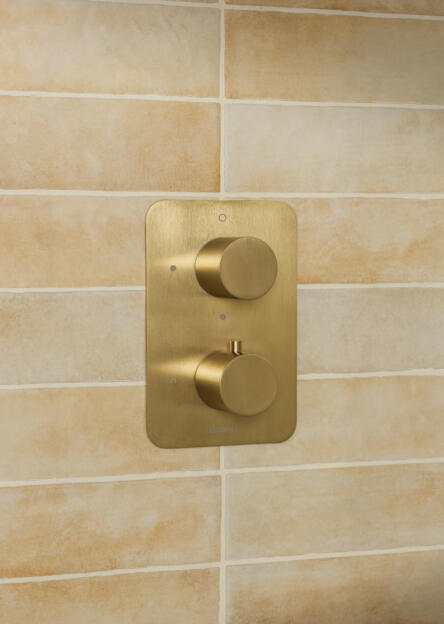
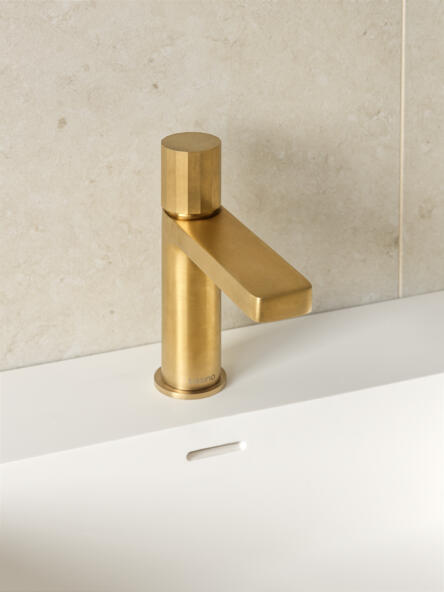
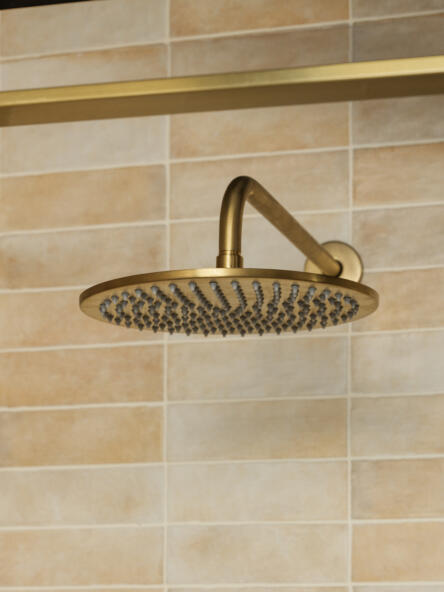
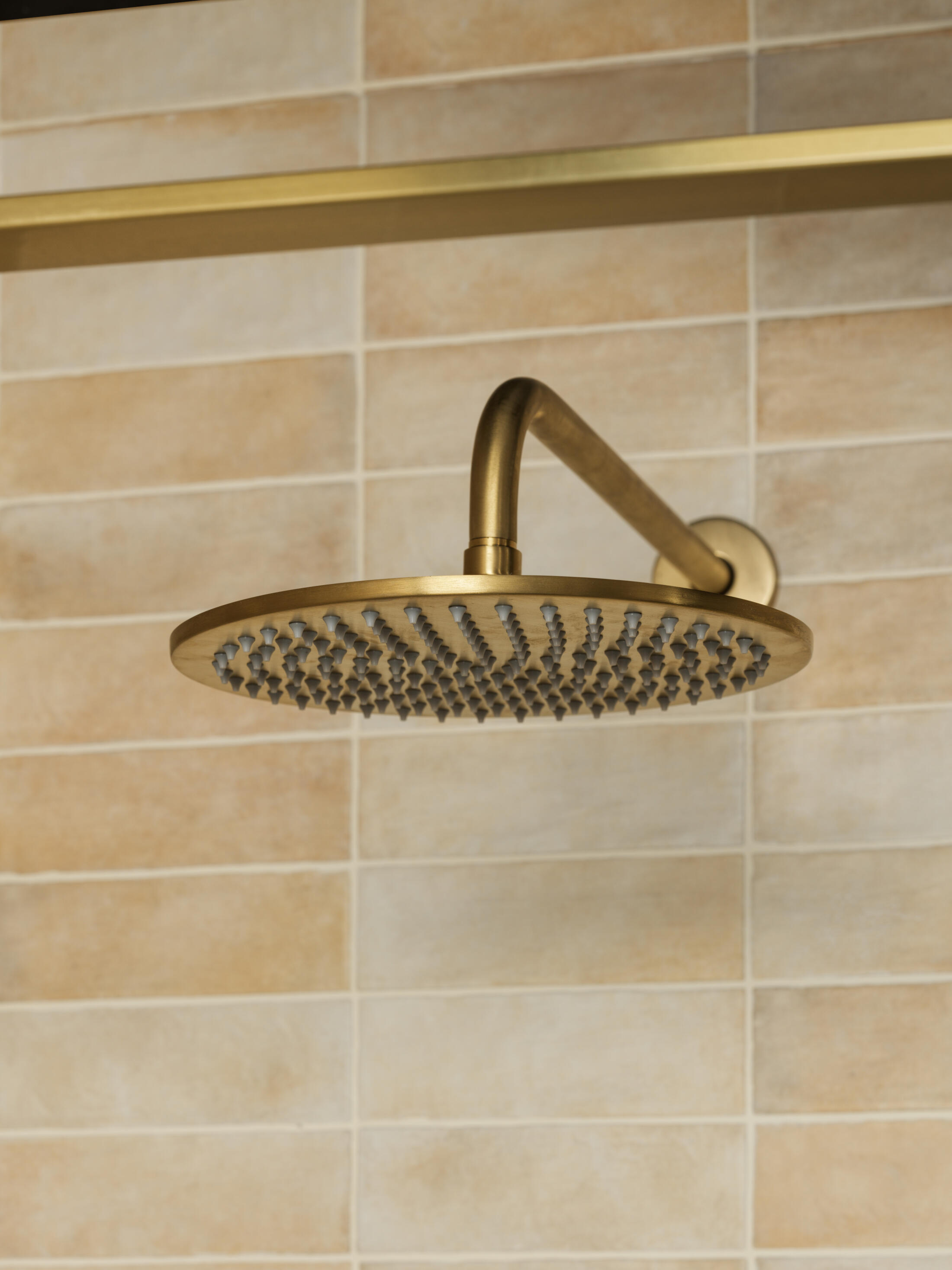
Images shown: Arturo Brushed Brass Shower Valve with Smooth Handle, Santuro Brushed Brass Basin Mono with Wide Fluted Handle, Vario 200mm Brushed Brass Shower Head and Wall Arm.
Always Use Soft Cloths
When cleaning brushed brass, avoid abrasive cloths or aggressive scrubbing materials.
Do not use:
- Scouring pads
- Wire brushes
- Harsh abrasive sponges
- Rough cleaning pads
These can scratch the brushed surface and permanently affect the finish.
Instead, use:
- Soft microfibre cloths
- Gentle non-abrasive sponges
- Soft cotton cloths
Gentle cleaning is usually all that is required to keep brushed brass looking polished and refined.
How to Remove Limescale from Brushed Brass
In hard water areas, mineral deposits and limescale can occasionally develop on brassware and fittings.
A diluted white vinegar solution can help remove light limescale safely when used carefully.
Simple Cleaning Solution
Mix:
- 50% white vinegar
- 50% warm water
Apply the solution gently using a soft cloth or spray bottle.
Allow it to sit briefly on the surface, but never leave it for longer than one to two minutes before rinsing thoroughly with clean water.
After rinsing, dry the fitting immediately with a soft cloth.
Always Test Cleaning Products First
Before using vinegar or any unfamiliar cleaning product on brushed brass, test it first on a discreet area.
Excessive exposure to acidic cleaning products can risk:
- Dulling the finish
- Damaging protective coatings
- Altering the brushed texture
- Causing uneven discolouration
Used occasionally and carefully, diluted vinegar is generally sufficient for light mineral deposits.
Cleaning Products to Avoid
One of the most common causes of damage to brushed brass is the use of harsh bathroom cleaning sprays or aggressive chemicals.
Avoid using:
- Bleach-based cleaners
- Strong acids
- Solvent-based products
- Industrial cleaning chemicals
- Abrasive bathroom sprays
These products can permanently damage the finish and may affect manufacturer guarantees.
Warm water and gentle cleaning products are normally more than sufficient for everyday maintenance.
Everyday Products Can Also Affect the Finish
It is not only cleaning products that can damage brushed brass.
Everyday bathroom products such as:
- Toothpaste
- Shaving foam
- Hair dye
- Perfume
- Cosmetics
- Polish
can also affect the finish if left sitting on the surface.
If any of these products come into contact with brushed brass fittings, rinse them away promptly using clean water and dry the surface thoroughly afterwards.
Is Brushed Brass Difficult to Maintain?
Despite its premium appearance, brushed brass is generally relatively low maintenance when cared for correctly.
Compared to polished finishes, brushed brass often:
- Shows fewer fingerprints
- Softens water marks visually
- Feels warmer and less clinical
- Maintains a more consistent appearance day to day
The key is simply avoiding aggressive cleaning methods and maintaining fittings regularly.
How to Keep Brushed Brass Looking Its Best
To help preserve brushed brass bathroom fittings long-term:
- Wipe fittings dry after use
- Clean gently and regularly
- Remove limescale promptly
- Avoid harsh chemicals
- Use soft cloths only
- Prevent residue build-up
Consistent light maintenance is far more effective than infrequent deep cleaning.
Why Brushed Brass Continues to Be So Popular
Brushed brass remains highly popular because it introduces warmth and sophistication without feeling overly bold or trend-driven.
It works particularly well alongside:
- Natural oak finishes
- Marble surfaces
- Neutral colour palettes
- Matt black accents
- Stone textures
- Spa-inspired interiors
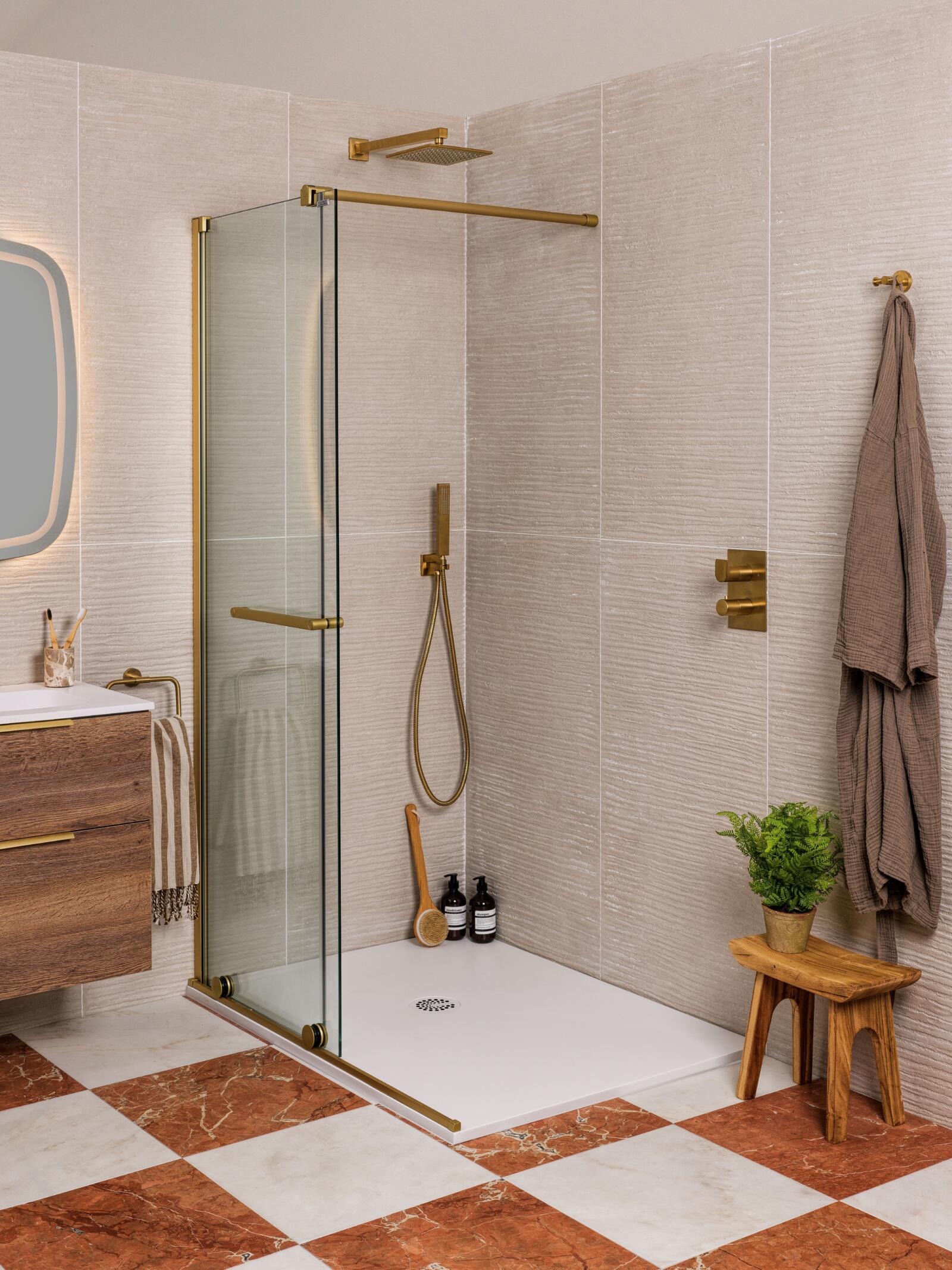
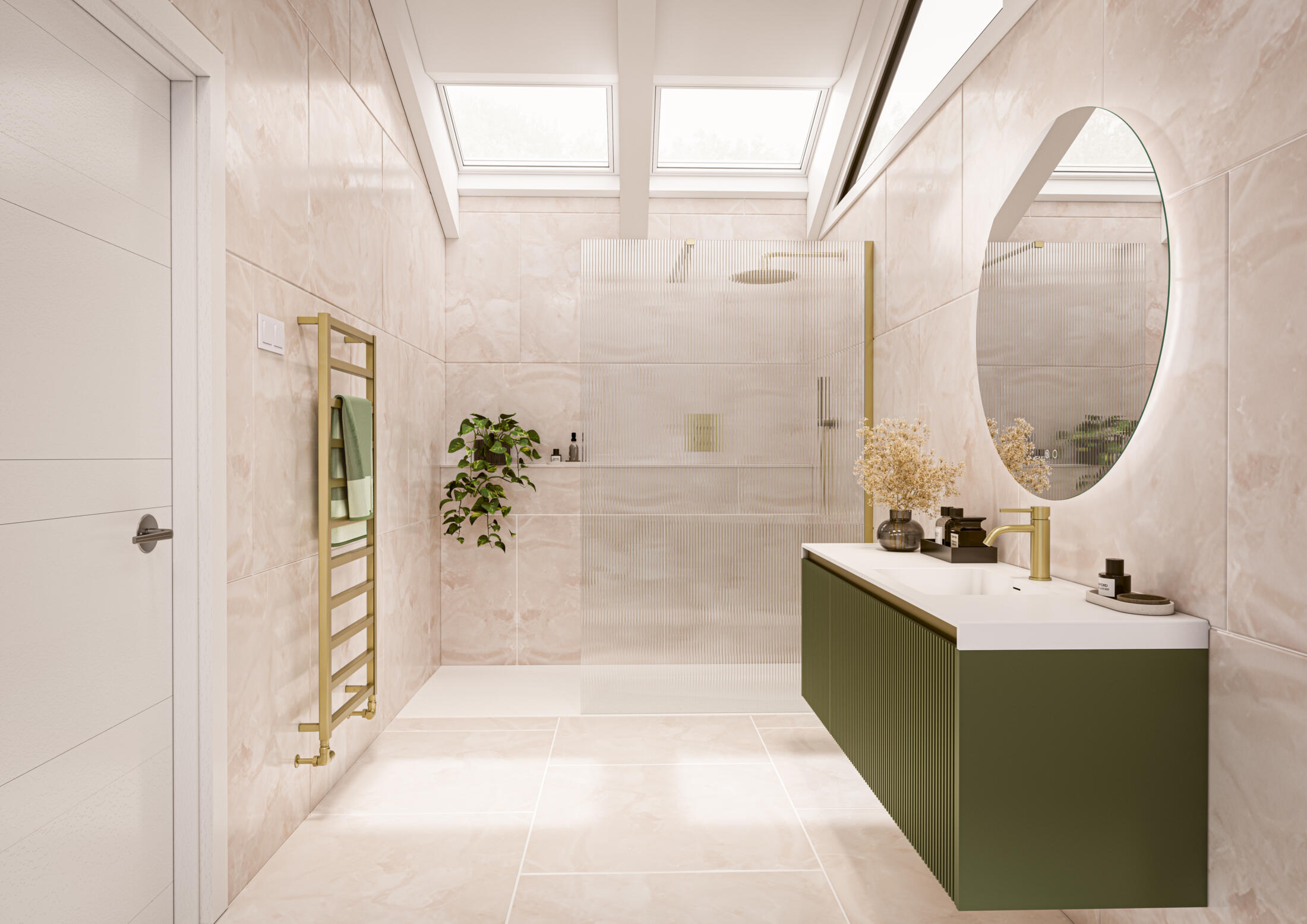
Collections such as Arturo, Santuro and Vario continue to demonstrate how brushed brass can create bathrooms that feel refined, contemporary, and highly resolved.
With the correct care, brushed brass fittings can maintain their elegant appearance for many years.
Frequently Asked Questions about Cleaning Brushed Brass Bathroom Fittings
Warm water and a soft microfibre cloth are usually sufficient for regular cleaning. Diluted vinegar can help remove light limescale deposits when used carefully.
Yes. If left sitting too long or used too frequently, vinegar may affect the finish. Always dilute it, rinse thoroughly, and test first on a discreet area.
Avoid abrasive pads, bleach, strong chemicals, wire brushes, and aggressive bathroom cleaning sprays.
Without proper maintenance, brushed brass may dull or discolour over time, particularly if exposed to harsh chemicals or heavy mineral build-up.
No. Brushed brass is generally easy to maintain with regular gentle cleaning and appropriate care.
Water marks are typically caused by mineral deposits from hard water. Drying fittings after use helps minimise this build-up.